While the critical importance of data quality is universally understood in financial services, the methods for achieving and maintaining it are evolving. Recent research suggests that a strategy termed “data quality democratisation” may be the key to helping companies cost-effectively maintain better quality data across their operations.
Access to good data is foundational to decisions and processes within financial services. Beyond ensuring compliance, and thereby preventing potential fines and reputational damage, high quality data is the essential key to safe growth.
Today’s customers are increasingly demanding real-time services, personalised features, and a superior customer experience. Meeting these expectations is only possible when you have accurate, recent, and actionable data at your disposal.
So what is data quality democratisation?
In short, data quality democratisation means enabling more people within the organisation to contribute to the challenge of improving data quality. This shift is particularly important to financial services, where accurate client data is mission critical. Poor data quality can directly impact regulatory compliance, financial accuracy, customer trust and ultimately business performance.
Instead of treating data quality as a technical problem for IT to solve in isolation, democratisation makes high-quality data accessible to more people across the business. From product managers and risk teams to customer service leads, it empowers those who actually use the data to drive the business forward. The result? Fewer bottlenecks, faster decisions, and more confident business outcomes.
How to democratise data quality
Data quality improvements in financial services are moving from reactive data cleaning toward proactive, enterprise-wide data governance that supports automation, advanced analytics, compliance, and ultimately, growth.
Responsibility for data quality often falls between the gaps – with only 1 in 4 organisations having clarity on data ownership. However, by strategically employing the right tools, technologies and governance strategies, financial services companies can implement robust data strategies, shifting data quality from being a heavy burden for the few to a valuable business opportunity for the organisation.
More details can be found in our whitepaper: “Why data quality is being democratised – and how it is driving business success”. Read it now to find out:

Why the democratisation of data is critical for the financial services sector
The barriers to democratisation and how to overcome them
The tools and techniques required to achieve democratisation
The business benefits that ‘data-democratic’ financial services can expect
How can we help?
The intense competition levels in financial services necessitates high-quality data. Data quality has become a critical focus for companies seeking to gain a competitive advantage. Now, there may be a faster and more cost-effective way of achieving data quality and unlocking new opportunities.
Read our report
Why data quality is being democratised – and how it is driving business success
Download nowFurther reading
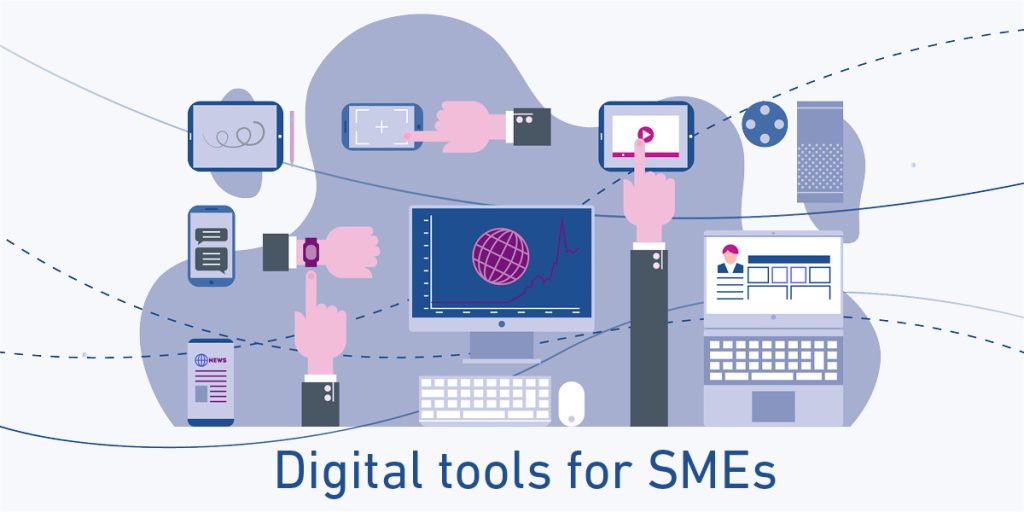
Essential digital tools for SMEs
Discover how SMEs can boost productivity, cut costs, and drive growth with the right mix of CRM, finance, marketing, and security tools.
Redefining fraud prevention: How transaction forensics is changing fraud and AML decisioning
Discover how Experian and Resistant AI use transaction forensics to transform APP fraud detection, reduce false positives, and enhance real‑time risk insight.
The Future of Fraud: 7 Key Predictions for 2026
What fraud trends are we anticipating for 2026? Read our seven predictions to explore the potential impact of growing fraud and identity threats.

Accelerating BCBS 239 Compliance: Powered by Experian, Guided by UST
Discover strategies to simplify BCBS 239 compliance, improve risk data aggregation, and enhance data quality for financial institutions.

Vulnerability and financial intermediaries: Three enablers to meet consumer duty
Learn how clearer disclosure routes, better support tools, and increased transparency can help brokers and lenders meet FCA expectations and improve outcomes.

L&Q Group: Building better with clean data
By combining migration with data quality efforts, L&Q have experienced a seamless migration and established a strong foundation.

We’re scaling financial access with data
We’re constantly seeking ways to use data to solve complex problems and create meaningful change. We now offer free digital income and employment verification.

Guide to B2B lead generation in sales
Discover B2B marketing and lead generation strategies to enhance your sales funnel, empower your sales team, and overcome challenges to growth.

Data Catalogue: Cataloguing for Effective Data Governance
Learn about data catalogues and their role in guiding organisations to manage, discover, and utilise vast information resources effectively.

Download the Business Credit Trends Index: Q3 2025
Stability over stimulus: Making sense of the Budget, evolving credit trends, and technology driven opportunities for SME lenders through 2026
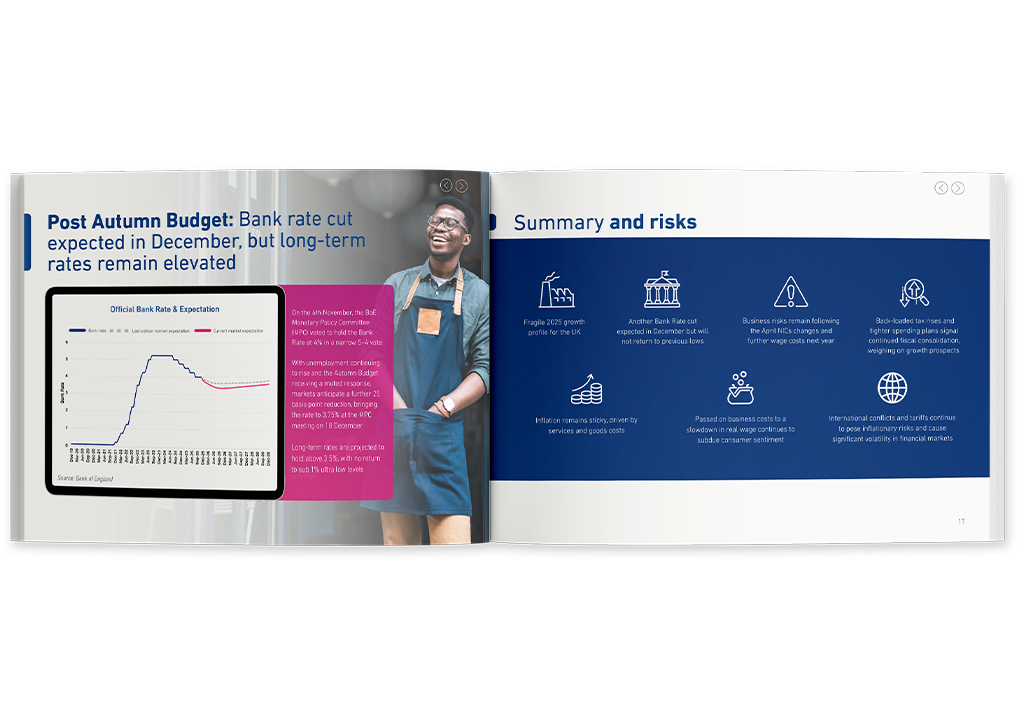
The UK business landscape has faced yet another year of economic uncertainty, with rising costs and fragile growth shaping lending behaviour. Our latest report examines the Autumn Budget’s stabilising impact, the evolving credit environment, and the pressures facing key sectors such as hospitality, retail, and construction.
Looking ahead to 2026 and beyond, muted growth and elevated risk demand sharper credit management and tailored solutions. From embedded finance to streamlined digital journeys, technology and innovation will be central to unlocking opportunities. This report equips lenders, SMEs, and stakeholders with actionable insights to navigate challenges and seize growth in a market that rewards agility.
In this report, we cover:
SME credit trends to watch
We look at demand and supply, the role of alternative lenders, and credit performance highlights.
Macroeconomic outlook
How economic trends are shaping SME resilience.
SME demands
How demand for credit is reflected into lending and SME delinquency rates.
A sneak peek into...
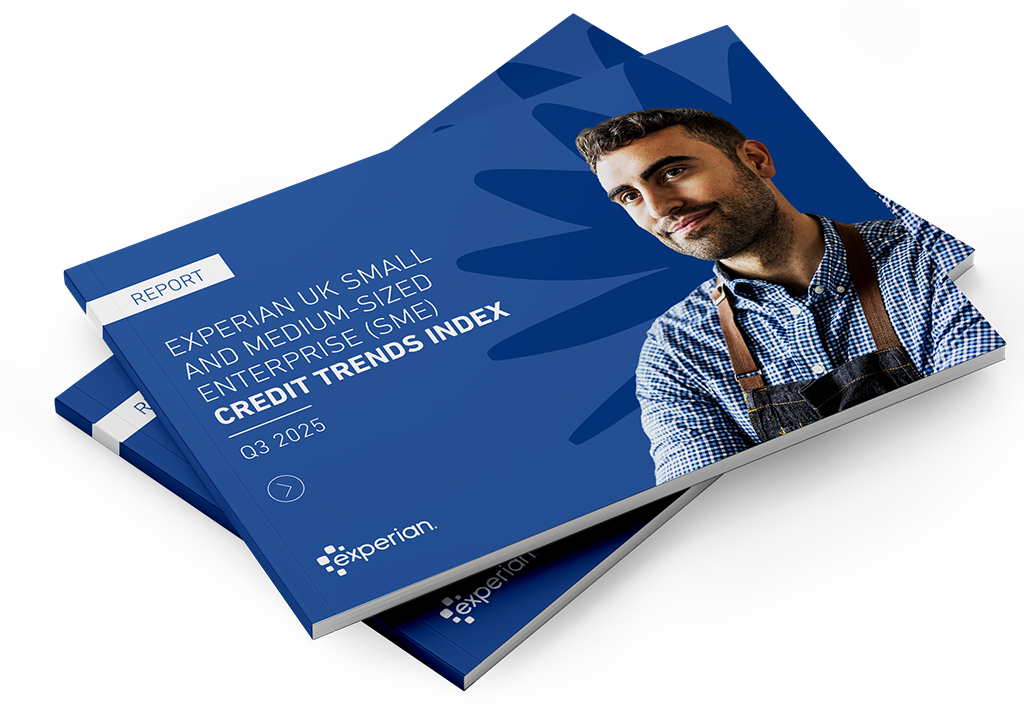
Experian UK Small and Medium-Sized Enterprise (SME) Credit Trends Index

Mark England, Head of Commercial Insight, Data Office, Experian
Foreword
The past year has been marked by economic uncertainty and a shifting landscape for businesses across the UK
Against this backdrop, we explore the implications of the Autumn Budget,
the evolving credit environment, and the opportunities that lie ahead for
2026 and beyond. This report distils those discussions into actionable
insights for lenders, SMEs, and stakeholders navigating a complex market.
The Budget delivered stability rather than stimulus. While businesses avoided the sharpest tax increases, rising costs – from wages to business rates – continue to squeeze margins. Inflation is easing, but growth remains fragile, and productivity forecasts have been downgraded. These dynamics are shaping lending behaviour: we’ve seen strong expansion in SME credit overall, yet a clear divergence between investment-driven borrowing and day-to-day working capital needs. Growth in high value lending paused amid uncertainty, while revolving credit and innovative products surged, reflecting businesses’ appetite for flexibility and a greater need for day-to-day financial support.
Looking ahead, muted growth and elevated risk will demand a sharper focus on credit management and tailored solutions. Technology and product innovation will play a pivotal role, from embedded finance to streamlined digital journeys. At the same time, sector-specific pressures – particularly in hospitality, retail, and construction – underscore the need for nuanced strategies.
We’re here to help you make sense of these trends and prepare for what’s next. The report offers comprehensive view of economic conditions, lending patterns, and emerging opportunities, equipping you to navigate challenges and seize growth in a market that rewards agility and insight.
Did you enjoy the read?
Download the full report
To find out more about identifying SME Credit Trends, download our report.
Further reading

Monthly Credit Index Report: Autumn Budget 2025
How are businesses adapting to the ever-evolving credit risk landscape in the UK? Our latest report dives into Experian's view on the current trends and helps you make better commercial lending decisions.

Explore the UK’s Commercial Lending Landscape
Our interactive map offers a taste of the type of insight Experian can provide across the United Kingdom's commercial lending ecosystem.

Financed emissions: Closing the SME carbon data gap
To meet their climate goals, lenders need accurate emissions data from business customers. Here, we outline creative strategies to reduce financed emissions.

Three methodologies for assessing commercial affordability
Assessing commercial affordability can be a complex task. In this blog, we will discuss three key ways to assess commercial affordability.
Connected with Experian: The agentic AI age
In this episode of Connected with Experian we speak with Experian's Keith Little to find out how agentic AI is reshaping lending, fraud prevention and customer decisioning.
What is a Company Registration Number (CRN) in the UK?
A Company Registration Number (CRN) is vital for uniquely identifying your company and verifying its legal status. Why is it important?

Senior Managers and Certification Regime: What You Need
SMCR essentials, governance and compliance explained in simple terms. Learn what it is, what’s required and how to keep your business secure.
Credit risk in consumer finance
Explore practical guidance on managing consumer credit risk, improving decision‑making, and supporting responsible lending through smarter data and modelling.

Preparing for the future of Digital Identity in the UK: What businesses need to know
The market is moving toward reusable digital identities. What does this mean for businesses in the UK and what should they consider?

Cyber Monday is the new Black Friday
Cyber Monday is overtaking Black Friday in UK retail. Discover key data trends, validation insights, and how Experian helps businesses prepare for peak shopping periods with accurate customer data.