While the critical importance of data quality is universally understood in financial services, the methods for achieving and maintaining it are evolving. Recent research suggests that a strategy termed “data quality democratisation” may be the key to helping companies cost-effectively maintain better quality data across their operations.
Access to good data is foundational to decisions and processes within financial services. Beyond ensuring compliance, and thereby preventing potential fines and reputational damage, high quality data is the essential key to safe growth.
Today’s customers are increasingly demanding real-time services, personalised features, and a superior customer experience. Meeting these expectations is only possible when you have accurate, recent, and actionable data at your disposal.
So what is data quality democratisation?
In short, data quality democratisation means enabling more people within the organisation to contribute to the challenge of improving data quality. This shift is particularly important to financial services, where accurate client data is mission critical. Poor data quality can directly impact regulatory compliance, financial accuracy, customer trust and ultimately business performance.
Instead of treating data quality as a technical problem for IT to solve in isolation, democratisation makes high-quality data accessible to more people across the business. From product managers and risk teams to customer service leads, it empowers those who actually use the data to drive the business forward. The result? Fewer bottlenecks, faster decisions, and more confident business outcomes.
How to democratise data quality
Data quality improvements in financial services are moving from reactive data cleaning toward proactive, enterprise-wide data governance that supports automation, advanced analytics, compliance, and ultimately, growth.
Responsibility for data quality often falls between the gaps – with only 1 in 4 organisations having clarity on data ownership. However, by strategically employing the right tools, technologies and governance strategies, financial services companies can implement robust data strategies, shifting data quality from being a heavy burden for the few to a valuable business opportunity for the organisation.
More details can be found in our whitepaper: “Why data quality is being democratised – and how it is driving business success”. Read it now to find out:

Why the democratisation of data is critical for the financial services sector
The barriers to democratisation and how to overcome them
The tools and techniques required to achieve democratisation
The business benefits that ‘data-democratic’ financial services can expect
How can we help?
The intense competition levels in financial services necessitates high-quality data. Data quality has become a critical focus for companies seeking to gain a competitive advantage. Now, there may be a faster and more cost-effective way of achieving data quality and unlocking new opportunities.
Read our report
Why data quality is being democratised – and how it is driving business success
Download nowFurther reading
Redefining audience intelligence: can AI really deliver on its promise?
AI is reshaping audience intelligence for UK marketers, raising critical questions around trust, data quality, identity and human oversight in decision‑making.
Trusted data inside the cloud
Listen to our podcast, with expert insight, real use cases, and practical guidance to gain a clear view of the data quality trends shaping 2026.

The Economic Crime and Corporate Transparency Act
The Economic Crime & Corporate Transparency Act is revolutionising how we fight must fraud and FinCrime. Understand why and your company’s risk.

Preparing for the future of Digital Identity in the UK: What businesses need to know
The market is moving toward reusable digital identities. What does this mean for businesses in the UK and what should they consider?

Data Quality in Social Housing Report 2025
Uncover key insights from UK housing leaders on data strategies, challenges, AI adoption, and the critical role of data quality in driving compliance, efficiency, and tenant satisfaction.

Big Data London 2025: Four takeaways that will shape the future of AI-ready data
From data quality and governance to ethics and scalability, learn how businesses are preparing their data to power intelligent systems.

You asked, we answered: About our latest version of Aperture Data Studio
Last week, we announced major updates to our data quality and governance platform, Aperture Data Studio. We're here to answer all your questions...

Experian announces major update to Aperture Data Studio
Experian launches a suite of major new enhancements to its leading data quality and governance platform, Aperture Data Studio.

Behavioural biometrics and device intelligence in modern fraud and AML strategies
In this guide, we define behavioural biometrics and device intelligence, the latest regulation, and their use cases in fraud and AML strategies.
Optimising Order-to-Cash: A Guide for Trade Creditors – Part 4
Part 4: Getting the most out of your existing portfolio by spotting and acting on opportunities and risks
Maximising acquisition opportunities and assessing risk exposure at the point of onboarding is important. But equal – if not more – consideration should also be paid to assessing your existing portfolio for any changes which may indicate risk or opportunity.
In the current business environment, it is crucial to pay close attention to the shifting fortunes of customers on your books, especially considering the changes the world has seen in recent years. Regularly reviewing your portfolio and better understanding your exposure has never been more important for trade creditors.
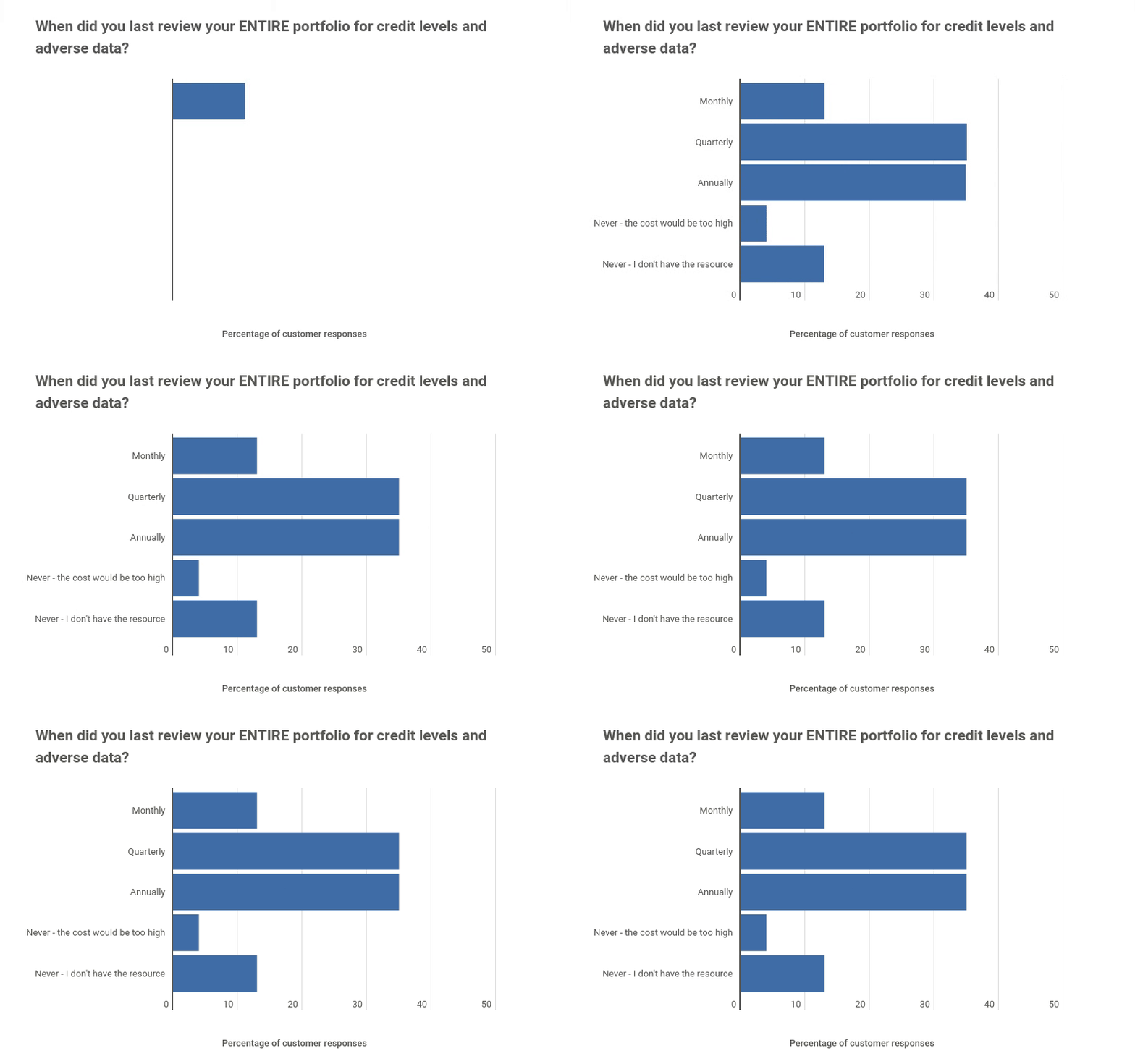
According to our poll with trade credit professionals, just 13% of trade credit providers conduct a monthly review of their entire portfolios. However, with Experian’s tools, businesses can gain valuable insights for managing their existing customer portfolios.
Experian’s proprietary commercial risk scores, such as Commercial Delphi Gen 6, assess businesses within your portfolio for financial risk. It uses existing credit agreements, current account turnover data, and payment performance data to assess the commercial viability of the business over a 12-month period. Commercial Delphi Cashflow score overlays cashflow indicators on top of a measure of underlying financial strength to predict business defaults.

Additionally, Experian’s insight dashboards provide a high-level view of the SME market and emerging opportunities, allowing businesses to adjust their strategy or risk appetite based on real-time data.
Experian also provides near-real-time updates on financial health, identifying where customer data points have changed and what it means for creditors.
With this data-driven approach, trade creditors can:
- Get a comprehensive view of their credit-risk position.
- Make better credit decisions, at pace, using insight to inform up-to-date lending strategies.
- Treat customers fairly and effectively with informed, responsive decisions.
- Avoid blanket credit limits that stifle growth and continue to lend to reliable customers.
- Regularly review limits and orders and analyse trends to ensure they are getting the most out of their current customers without exposing themselves to unnecessary risk.
This process not only helps businesses unlock new credit limits for customers who need them but also identifies high-risk customers that require careful management and uncovers new opportunities for appropriate increases in credit lines. It also improves relationships with sales teams by identifying new opportunities and empowering the business with data to create new contracts with current customers.
Interested?
Get in touch with us to see how your trade credit business can meet the challenges of our times with more effective, fairer lending.
Further reading

Optimising Order-to-Cash: A Full Guide for Trade Creditors in the UK
Data cleansing - the foundation for effective credit management. Get set up for success and stay up to speed with changes in your portfolios. Find out more.

Optimising Order-to-Cash: A Guide for Trade Creditors – Part 2
We interviewed a group of credit professionals to identify the most pressing challenges they face for optimising their order-to-cash process.
Redefining audience intelligence: can AI really deliver on its promise?
AI is reshaping audience intelligence for UK marketers, raising critical questions around trust, data quality, identity and human oversight in decision‑making.

Why data quality is being democratised and how it’s driving business success
Our latest report uncovers how democratising data quality, breaking down silos, and leveraging AI can drive growth, compliance, and efficiency.

Responsible AI: Moving from principles to practice
Discover 2025 Generative AI trends and insights shaping data strategies, business innovation, and the future of AI adoption.

5 insights from the Gartner Data & Analytics Summit 2025
Explore our insights from Gartner’s 2025 summit, from metadata’s rising role to the future of AI agents, and how we can help turn data into action.

Why does data quality need a catalog?
This blog outlines the benefits of a data catalog, and highlights how it can transform data quality efforts into a more strategic, business-aligned function.

Empowering customers: The role of Support Hub in enhancing NewDay’s services
Hear from NewDay, and how they are supporting their vulnerable customers and what they're doing to empower call centre staff.

We’re scaling financial access with data
We’re constantly seeking ways to use data to solve complex problems and create meaningful change. We now offer free digital income and employment verification.

Flood alerts: Using real-time data to mitigate the cost of flood insurance
The new Experian Flood Alerts delivers both real-time updates and historical data on actual flood risks from rivers, sea, or groundwater across the land.